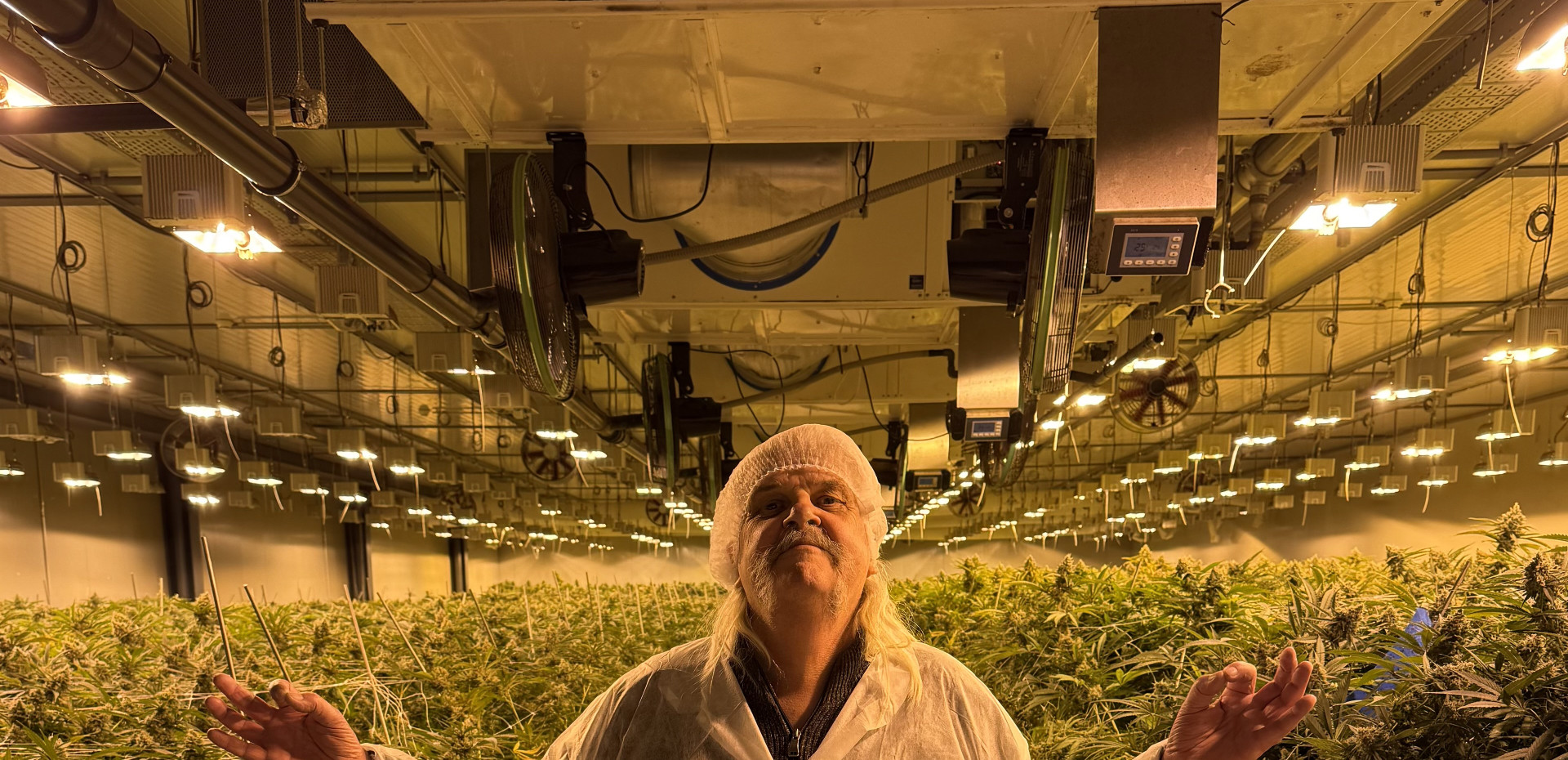
1. What Hydroponics Really Is
Hydroponic gardening involves nourishing plants with a nutrient solution rather than soil. The roots grow in an inert substrate—rock wool, clay pellets, coconut coir—which serves a mechanical, not a nutritional, purpose.
The fundamental difference can be summed up in one sentence: in soil-based gardening, the soil acts as a reservoir and a buffer; in hydroponics, there is neither a reservoir nor a buffer. What the grower provides is what the plant receives, immediately.
This is what makes the method both powerful and fragile. Control is total, so any mistake is immediately apparent. In soil, it takes days for an imbalance to become apparent; in hydroponics, just a few hours.
2. Two concepts that are systematically confused
This is probably the most widespread confusion in the market, and it skews all comparisons.
Indoor / greenhouse / outdoor describes the location and light source. Soil / hydroponics describes the method of nutrition. The two are independent of each other.
So it’s perfectly possible to grow indoors in soil, or in a greenhouse using hydroponics. When a salesperson pits “indoor” against “soil” as two competing options, they either don’t know what they’re talking about —or they’re counting on the fact that you don’t know either.
3. What Hydroponics Offers
- Consistency —this is the main argument and the only indisputable one. From one growing cycle to the next, the parameters are reproducible.
- Speed —since nutrients are directly available, growth is generally faster than in soil.
- Cleanliness of the growing medium —an inert medium limits certain pathogens found in soil.
- Traceability of inputs —we know exactly what the plant has received, which is crucial for residue analysis.
The last point is the one that interests us most as growers: it makes it easier to obtain clean test results for pesticides and heavy metals.
4. What It Doesn’t Provide
We need to be straightforward, because this is where the sales pitch goes off the rails.
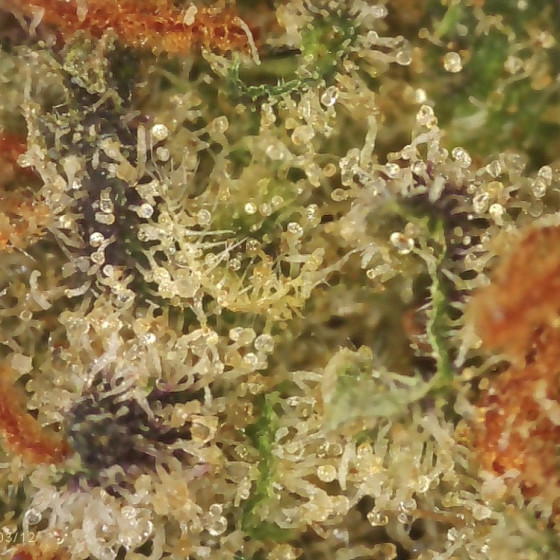
Hydroponics does not automatically increase resin production. Trichome density depends first on genetics, then on light and heat stress, and finally on the timing of harvest. The method of nutrition comes after that.
As for the aromatic profile, the question remains open. Many soil-based growers argue that living soil provides a complexity that hydroponics cannot replicate. This is a widely held view, but we are not aware of any studies that definitively prove it. We therefore present it for what it is: a professional belief, not a proven fact.
What is, however, thoroughly documented at our level is this: mediocre genetics remain mediocre regardless of the cultivation method. This is by far the most important factor.
5. What Really Determines Resin Yield
Since this is our line of work, we might as well rank the factors in order of actual importance.
- Genetics —it determines the size and density of the trichomes. Nothing can make up for this choice.
- Harvest timing —a difference of just a few days changes the maturity of the buds and thus how they perform in the sifter.
- Drying —this is where the majority of harvests are ruined, far more so than during cultivation.
- Growing conditions —light, temperature, humidity.
- The growing method —soil or hydroponics—comes last.
The cultivation method comes in fifth. Yet it’s the one that sales pitches highlight, because it’s the only one that can be summed up in a single word on a label.
To understand why the plant produces this resin and what determines its quality, our article on what the plant produces explains the mechanism in detail.
6. From Seedling to Hash Slab
None of the above makes sense until the plant has been harvested. Between a seed and a hash brick, there are six months and about ten decisions—of which cultivation is only the first.
The complete journey, step by step, is detailed in our article on the process from plant to hash.
And as far as we’re concerned: our Swiss crops and our partnerships in the Moroccan Rif are based on two contrasting approaches, both of which we fully embrace. Details can be found on our crops page.