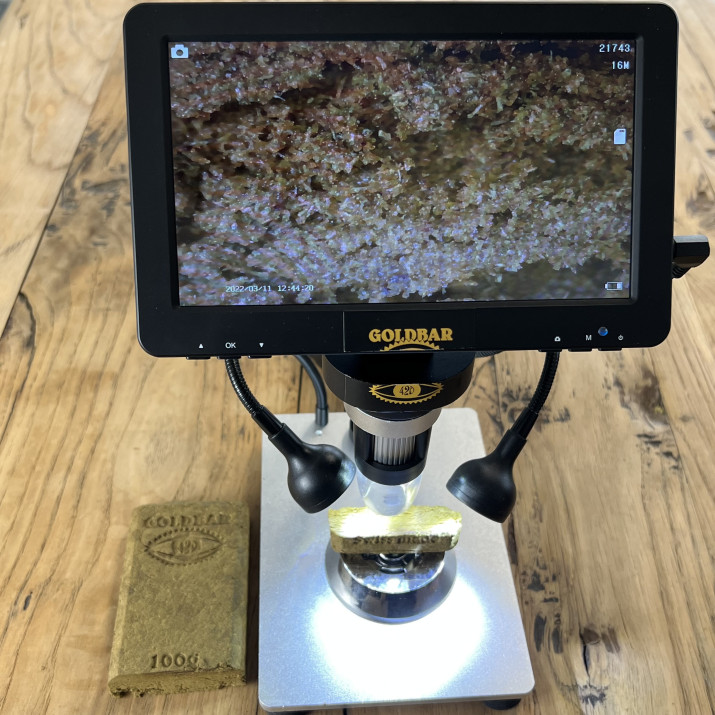
zoom cannabinoides trichomes resin
By Stéphanie, on 2025-01-28

The Effects of CBD: What the Research Really Shows

We sell CBD resin and flowers. We don’t sell medicine—and this article isn’t going to make any promises.

The CBD market is saturated with promises. Sleep, pain, anxiety: you read just about everything and its opposite, often written by people who have a product to sell. We have one, too, and that’s precisely why we prefer to be precise.

Here’s what we know about CBD, what we think we know, and what no one can honestly claim to know for sure today.

Certificate of analysis for a Swiss CBD batch showing the THC content

What Science Proves—and What It Doesn't

CBD is not a drug. Distinguishing between the two protects consumers.
Trichomes on a Swiss indoor CBD flower

Understanding the Effects of CBD

How CBD Affects the Body

CBD is one of more than 100 cannabinoids identified in cannabis. It interacts with the endocannabinoid system, a network of receptors found throughout the body that helps regulate functions such as appetite, mood, pain, and sleep.

One point is often misunderstood: unlike THC, CBD does not directly bind to the CB1 and CB2 receptors. Instead, it acts indirectly by influencing other systems.

This is precisely what explains two things: CBD does not produce a “high,” and its effects are much more subtle and vary from person to person than those of THC.

[H3] What Research Has Actually Established

It’s important to distinguish between three levels, which are too often conflated.

What is well-established. The World Health Organization has reviewed CBD and concluded that it is generally well-tolerated, with no potential for abuse or dependence. This is what has enabled its legal status in Europe.

What is regulated. There is a CBD-based medication authorized for certain rare forms of epilepsy. But be aware: this is purified CBD, at dosages far exceeding those found in flowers or resin, and it is prescribed and medically monitored. It is not the same use, nor is it the same product.

What remains preliminary. Anxiety, sleep, inflammation, pain: research exists, but studies are often short-term, involve few participants, and use highly variable dosages. These are avenues for exploration, not definitive conclusions.

So why do so many people use it?

Because there are numerous and consistent reports of positive experiences. Many people report feeling more relaxed, having a calmer evening, and falling asleep more easily.

These testimonials are valuable. But they are individual experiences, not clinical evidence—and the placebo effect plays a real role here.

Our stance is simple: we won’t turn testimonials into promises.

What CBD Doesn’t Do

  • It doesn’t get you high. With less than 1% THC, it has no psychoactive effects.
  • It is not a substitute for any treatment. Never alter a prescription on your own.
  • It doesn’t work instantly or the same way for everyone.
  • It doesn’t cure anything —and any seller who claims it does is breaking the law.

Side Effects and Interactions

CBD is generally well tolerated, but it is not harmless. The most commonly reported effects are mild drowsiness, dry mouth, and occasionally digestive issues.

The really important point is this: CBD can interfere with the metabolism of certain medications, including blood thinners and anti-epileptic drugs.

If you’re taking any medications, talk to your doctor or pharmacist before using CBD. This isn’t just a precaution—it’s the only useful recommendation in this entire article.

Why We Won’t Give You Dosage Recommendations

You’ll find dosage charts in milligrams everywhere. We won’t be publishing any.

Recommending a dosage means acting like a healthcare professional. We are resin producers—not doctors, not pharmacists.

What we can guarantee, however, is exactly what’s in the product: cannabinoid content, terpene profile, absence of additives, lot number, and test results available for review. That’s our business, and it’s verifiable.

Frequently Asked Questions

Is CBD a medication?

No. CBD flowers and resins are sold as consumer products, without any therapeutic claims. There is also a medication made from purified CBD, but it is a completely different product with a different intended use.

Does CBD get you high?

No. Below the legal THC threshold, there are no psychoactive effects. CBD does not act on the receptors responsible for this effect.

How long does it take to feel any effects?

This varies greatly depending on the person, the method of consumption, and the product. Some people don’t feel anything at all—this is normal and doesn’t mean the product is bad.

Can you take it while on medication?

Ask your doctor. CBD can alter how the body metabolizes certain medications. This is the only point we really emphasize.

Can you drive after using it?

Both Switzerland and France have a zero-tolerance policy for THC while driving. As a precaution, do not drive immediately after using it.

In summary

CBD is neither a miracle cure nor a scam. It is a compound with real but modest effects that vary from person to person and are not yet fully understood by research.

What an honest producer can guarantee you isn’t a specific result—it’s the product’s composition, traceability, and lab analysis. The rest depends on your personal experience and, if you’re undergoing treatment, your doctor’s advice.

Links: Our Swiss CBD resins · Our indoor CBD flowers · Swiss, French, or European CBD

CBD is not a medication and is not a substitute for any treatment. If you have any doubts or are currently undergoing treatment, consult a healthcare professional. Article updated in July 2026.

New products, advice... and a 5% discount code just for you on your first order.
Enter your account email address
Language
Currency
Loading...